
Exploring the Best Spiritual Practices for Personal Growth
Written by Kirsti Formoso, MSc. Transpersonal Psychology, BSc. Psychology
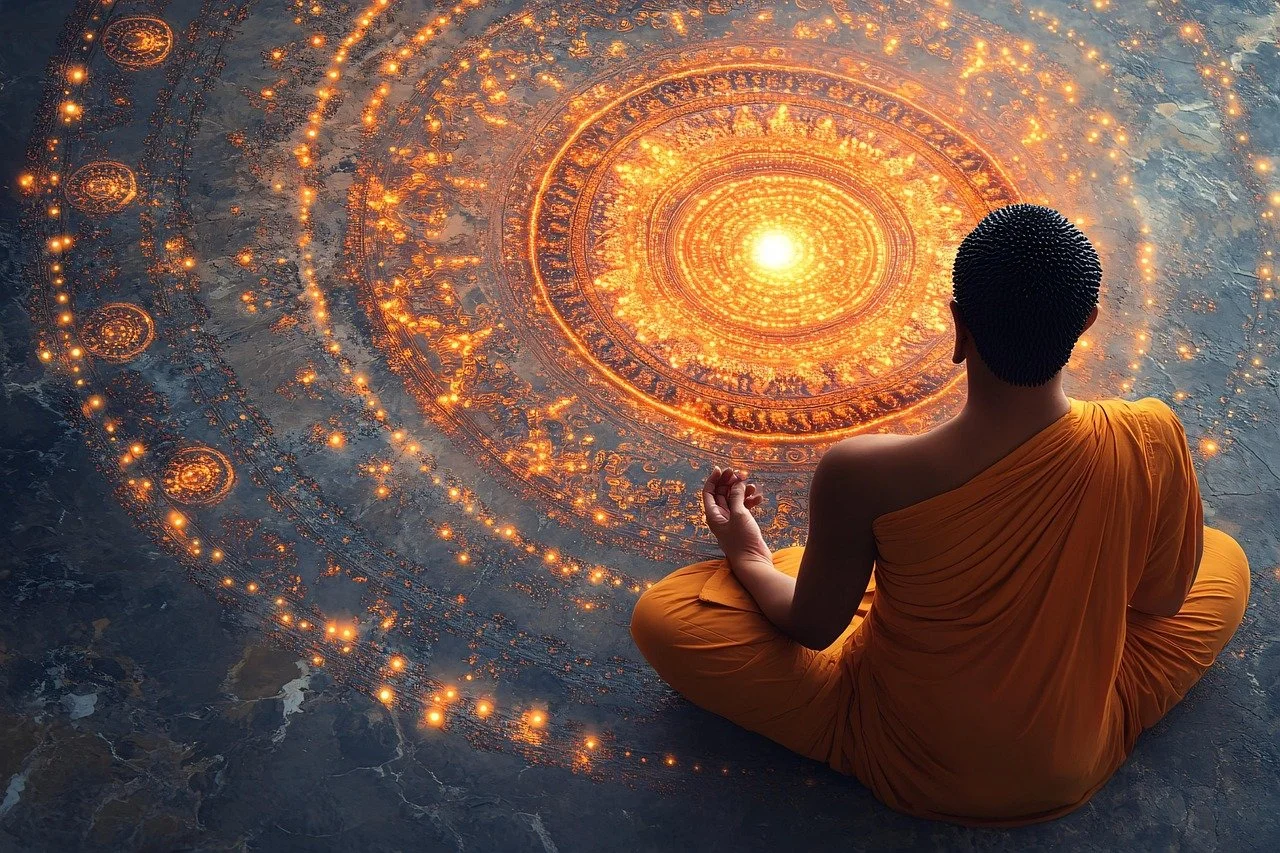
Yoga, mindfulness, meditation, breathwork, chanting, tai chi, and prayer. The list of spiritual practices is endless. So, where do you start and what's the proven, specific practices for spiritual awakening and enlightenment?
WHAT IS SPIRITUALITY?
Spirituality is being interested in your spirit or soul and non-physical phenomena, as opposed to the material or physical dimensions of the world.
As human beings, we have many dimensions. Our spirit or soul is just one of our dimensions. The most obvious dimension is our physical dimension. It's an easy dimension to grasp; we cannot deny that our physical body is real. We can touch it, see it, and smell it!
But spirituality is different. It's not so obvious. It's more subtle and can't be seen. But neither can our emotional dimension, and we all know what that's about.
Spiritual practices help us get back in touch with our spiritual dimension so that it feels more tangible. They lead us to form a deep connection with our spirit or soul. They help reorient us away from the dramas of the ego and back to our true self, which is stable, secure, and fundamental. As a result, we feel more balanced and experience more well-being and inner peace.
Related reading: Understanding All Our Dimensions Through the Wellness Wheel
INTRODUCTION TO SPIRITUAL PRACTICE
Spiritual practices are fundamental to our spirituality and reconnecting with our true selves. In a world of distraction where we are pulled outside of ourselves all the time, with constant demands and tech designed to keep us addicted, engaging with our own spiritual practices in daily life becomes crucial for well-being, if nothing else.
Spiritual practices bring us back to our centre, to our core, to our fundamental beingness. They encourage presence, deep awareness and spiritual transformation. They are a powerful tool for personal growth and inner peace, allowing us to cultivate a deeper connection with our inner selves and the world around us.
By incorporating spiritual disciplines into daily life, we can experience a sense of calm, clarity, and purpose, leading to a more fulfilling and meaningful life.
Spiritual practices can take many forms, including meditation, mindfulness, and other forms such as attending a yoga class, journaling, or engaging in breathing exercises, and can be tailored to suit individual needs and preferences.
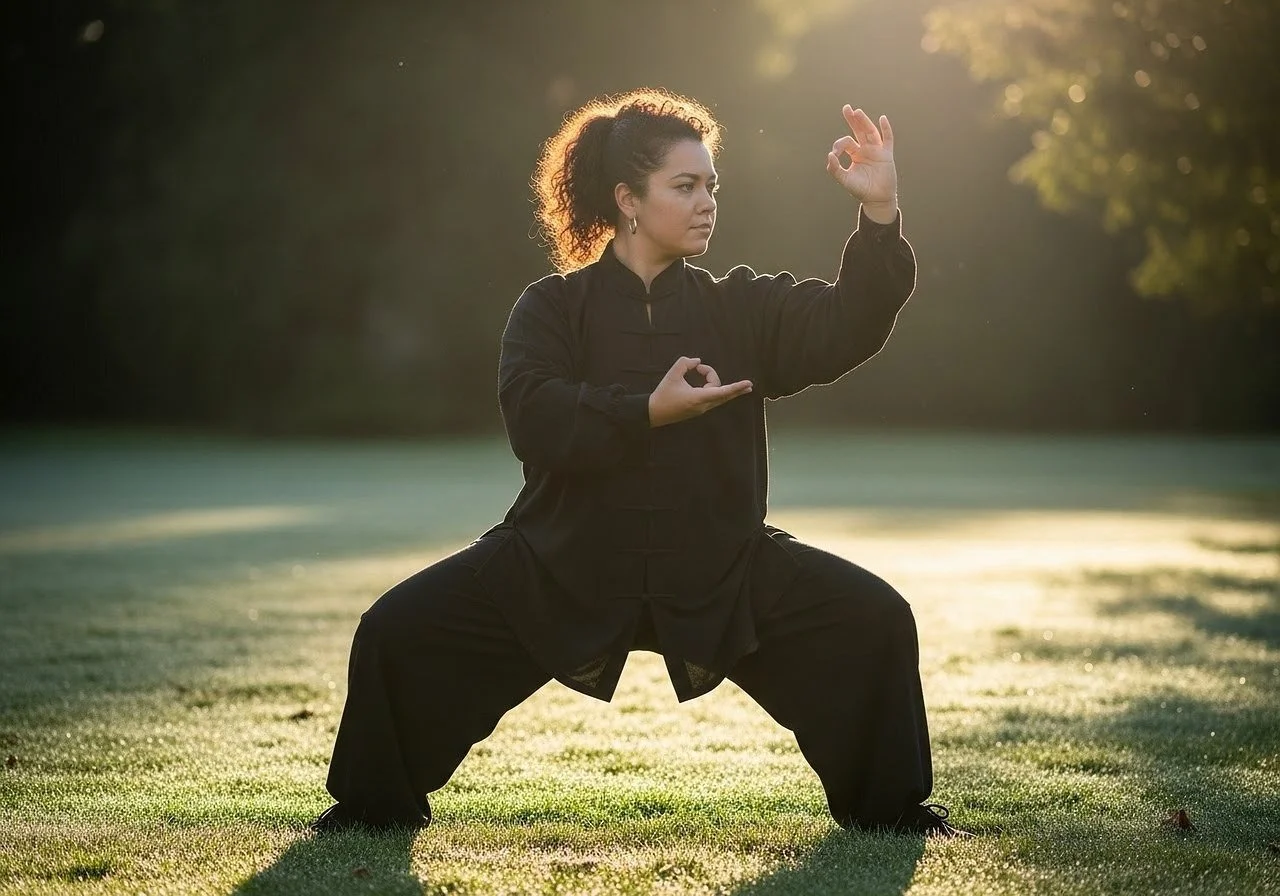
5 TYPES OF SPIRITUAL PRACTICE
Contemplative Practices Focus on inner reflection and awareness, such as meditation, mindfulness exercises, or silent contemplation to cultivate peace and insight.
Devotional Practices Involve expressions of faith and connection to the divine, like prayer, chanting mantras, or devotional singing (bhakti) to foster love and surrender.
Ritualistic Practices Structured ceremonies and symbols for transformation, including sacraments, lighting candles, or seasonal observances like solstice rituals.
Embodied Practices Integrate the body for spiritual growth, such as yoga, tai chi, sacred dance, or breathwork, to harmonise physical and energetic states.
Service-Oriented Practices Emphasise compassion and action in the world, such as selfless service (seva), volunteering, or ethical living, to embody spiritual values through deeds.
SPIRITUAL PRACTICES LIST
To get you started, here's a list of 20 spiritual practices. To help you choose which practices you'd like to engage in, I've coded them; A is for practice alone, all you need is yourself! There are many As on the list; spirituality is a personal journey with yourself.
But some practices are better practised in a group. There's something about the group energy that makes practice really powerful. So, on the list you'll find G for group practices.
I've also coded some M for micro practice. Life is so demanding these days, and we're all busy. What's more, the ego and its mouthpiece, your inner narrative, will likely tell you daily that you haven't got time to practice. Micro practices don't take up any extra time; some of them can even be done while you're doing other things.
20 SPIRITUAL PRACTICES EXAMPLES
Breath Awareness — A M
Loving-Kindness Meditation — A G
Contemplative Prayer — A
Body Scan Meditation — A
Mantra Repetition — A M
Walking Meditation — A
Mindful Eating — A M
Yoga (Slow / Gentle) — A G
Yoga (Dynamic / Flow) — A G
Breathwork Session (Extended) — A G
Chanting / Kirtan — G
Journaling for Insight — A
Shadow Inquiry / Inner Dialogue — A G
Gratitude Practice — A M
Crystal or Object Meditation — A M
Mindful Art / Intuitive Drawing — A
Ritual or Sacred Space Creation — A G
Sound Bath / Sound Healing — G
Ecstatic Dance — G
Reading scripture and spiritual books — A G
Nature Connection (Sit Spot / Awe Walk) — A
SPIRITUALITY AND RELIGION
You don’t need to be religious to live a spiritual life. Many people identify as spiritual but not religious—interested in spirituality without committing to a single tradition. In my own research on mystical and spiritually awakening experiences, 70% of participants used this exact label.
Still, spirituality and religion are deeply connected. Religion provides structure, maps, and practices that originally emerged from spiritual experience. Secular spirituality simply adopts these tools without adopting the religion itself. For example, I read the Gospels and practise Vipassana meditation, but I don’t identify as Christian or Buddhist.
Religious practices can support your spiritual life even if you don’t consider yourself religious. They were spiritual long before they were institutional. Feel free to explore whatever resonates—your path doesn’t need to follow any single tradition.
By exploring different spiritual traditions and practices, you can find what works best for you and start your own spiritual development journey.
ANCIENT WISDOM AND SPIRITUALITY
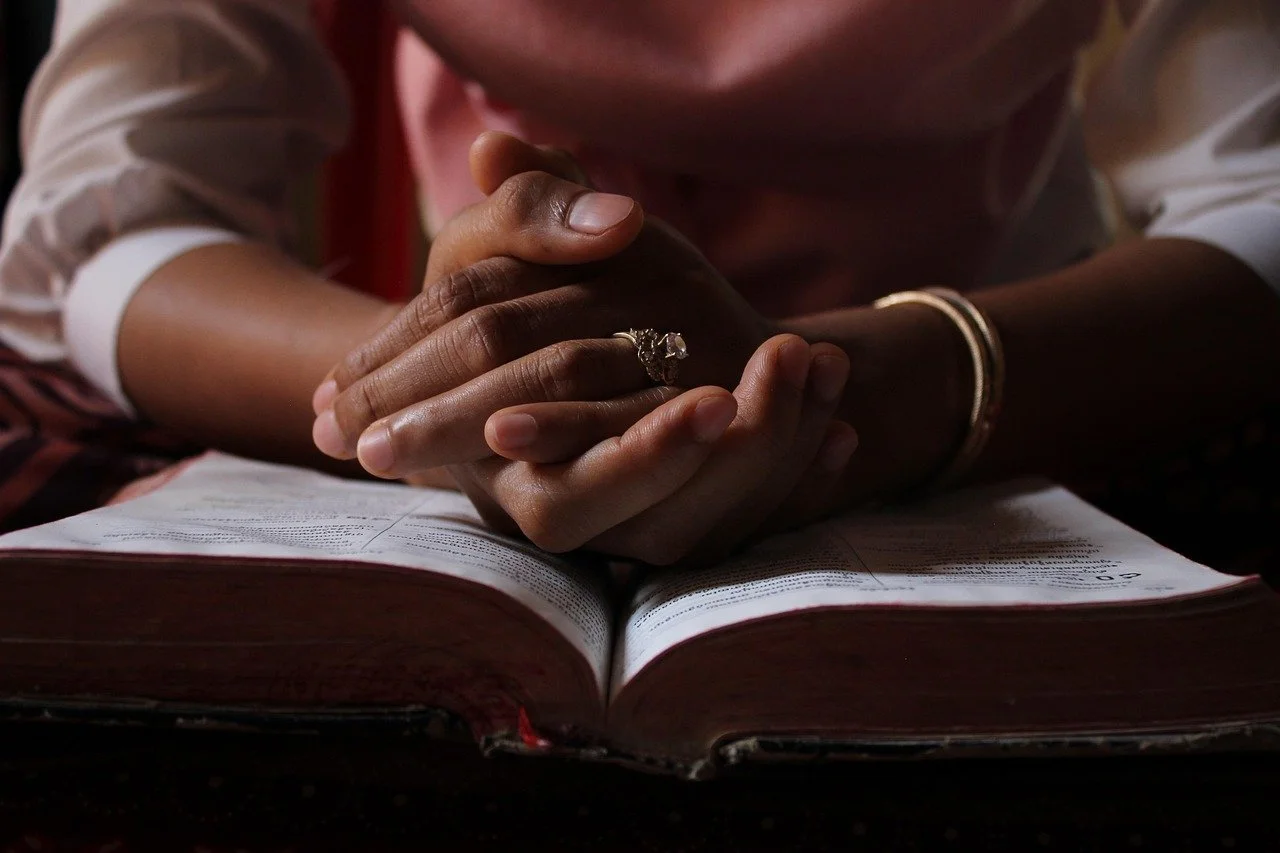
Ancient wisdom, spiritual traditions, and even newer spiritual movements offer powerful insights into the human experience and the nature of reality. Disciplines like yoga, tai chi, martial arts, and meditation have supported physical, mental, and spiritual well-being for thousands of years. Other practices—such as tarot, creative expression, and intuitive art—invite introspection, connection, and growth.
By engaging with spiritual systems from different cultures, you deepen your understanding of yourself and your place in the world. These traditions can also offer community and belonging, whether you practise with others or express your spirituality through art and ritual.
Through ancient wisdom and modern spiritual practices, many people feel a sense of continuity across past, present, and future—an experience of connection with something larger, often described as the divine.
UNDERSTANDING SPIRITUAL LIFE
Spirituality is a lifelong journey, not a destination. It involves engaging with various spiritual disciplines to cultivate a deeper understanding of oneself and the world.
Creating a spiritual life with spiritual practices gives us an anchor in this chaotic world. Practices and spiritual disciplines such as mindfulness meditation, yoga, prayer, and study, while transcendent in nature, actually ground us in the present moment. They foster connection to the physical body as well as the spirit. They help us as spiritual beings to live in a physical body with harmony and inner peace.
It's as if our spiritual dimension holds space for all our other dimensions. And this is where our inner peace comes from. When we rest in the spiritual dimension, everything just seems to flow. Our daily life becomes a spiritual life.
THE SPIRITUAL JOURNEY
And a spiritual life is the most meaningful journey we can embark on. Our spiritual journey is all about learning to rest in the spiritual dimension. To transcend the egoic tendencies and be oriented towards the ground of being so that everything else can unfold within it.
Our spiritual practices are the vehicles we use for our spiritual journey. They're important, but they're not the goal or the destination. The journey is long, don't get distracted by the vehicles and don't get attached to them, for your journey to awakening will be delayed.
Related reading: Your Spiritual Journey: 7 Steps to Awaken Your Spirit
INNER WORK AS A SPIRITUAL PRACTICE
In the list above, you'll notice I've included shadow inquiry, which is working on the subconscious rather than the superconscious. The truth is, your spiritual practices should also include a range of subconscious depth psychological work.
Anything from shadow work to trauma work, psychological practices are important on the spiritual path because they balance the transcendent, protect against spiritual bypassing and help us to develop a greater sense of empathy, compassion, and understanding for others.
These interpersonal skills lead to more harmonious and meaningful relationships with yourself and others. And what is spirituality if it is not living in harmony with the world around you?
When you combine spiritually transcendent practices with depth psychological practices, your spiritual path will be more challenging but more authentic. This powerful combination of practices is known as Inner Work. It's the path I advocate for healthy spiritual awakening. I promise you, if you knuckle down and take responsibility for your egoic program through inner work on your spiritual journey, it will serve you well.
Related reading: Understanding Spiritual Bypassing and Why It’s Harmful (With Examples)
Related reading: Mastering Inner Work: A Practical Guide to Personal Growth and Healing
SPIRITUAL AWAKENING AND ENLIGHTENMENT
While spiritual practices like mindfulness and meditation can improve our well-being and mental health, at their core, they were developed to help us spiritually awaken. Since time began, spiritual teachers and gurus developed these practices to help their students, disciples and followers connect and awaken to a more fundamental aspect of themselves. Their spiritual dimension.
These practices foster spiritual awakening and prepare the mind and brain for spiritually awakening experiences like mystical experiences and Kundalini awakening. So, if you are on a spiritual journey searching for deeper meaning, developing a spiritual practice should be core to your journey.
Related reading: The Call of Spiritual Awakening and How to Answer
Related reading: Spiritual Enlightenment In Real Life
THE BEST SPIRITUAL PRACTICES FOR SPIRITUAL AWAKENING
Everybody's path is different. That's because we're all unique expressions of creation. How one person reaches spiritual enlightenment or awakens spiritually will be different from someone else. But there are definitely some practices that will get you there faster, and some that are nice to play around with but are much more of a distraction than a direct path.
Research about spontaneous spiritual awakenings by Corneill and Luke (2021) found that 47% of their participants cited meditation practice as the likely trigger for their spiritual awakening experience. Other spiritual practices that showed up were reading spiritual literature, yoga, breathwork and sacred sexual intimacy.
Mindfulness for Spiritual Awakening and Personal Development
I’m a big advocate of mindfulness. I encourage all of my clients to learn mindfulness, no matter where they are on their spiritual path. Mindfulness works on so many levels, supporting us emotionally, socially, physically and spiritually. It literally prepares our mind for spiritual awakening. To find out more about how powerful mindfulness is on the spiritual path, check out my article on Mindfulness and Spirituality.
THE NEUROSCIENCE OF SPIRITUAL PRACTICES
Spiritual practices like meditation, breathwork, and mantra repetition literally reshape the brain, preparing it for the mystical state or non-dual state. Research suggests that these sorts of spiritual practice quiet the Default Mode Network (DMN), the region tied to overthinking and a heavy sense of “me”, and activate circuits for presence, emotional balance, and connection.
These practices literally still the noisy chatter in your mind, creating an open space so that you can become aware of the more subtle spiritual dimension that is at your core and always there.
Over time, these practices strengthen areas like the insula and anterior cingulate cortex, which support intuition, empathy, and self-regulation. Even simple slow breathing can shift the nervous system into calm, regulated states linked to awe and mystical experiences.
The neuroscience doesn't take away from our sacred and divine experiences. It doesn't make them any less powerful, beautiful or meaningful. After all, neuroscience shows us correlates, not causation. But neuroscience does help us understand what happens in the brain when we have a spiriAåtual experience.
And it also tells us what we should be doing to prepare the mind and brain for spiritual awakening. And truth is, we need a disciplined and still mind, and that comes from spiritual practices.
Related reading: How Meditation Changes Your Brain And Improves Well-being
SPIRITUAL PRACTICES AND MENTAL HEALTH
It probably goes without saying, but a disciplined and quiet mind improves our mental health and well-being. Spiritual practices do just this, and the benefits are far-reaching. When we maintain a regular spiritual practice, we don't really appreciate just how much is going on beneath the surface. These practices help us in innumerable ways.
For example, research has shown that spiritual practices like breathwork can positively impact mental health, including reducing stress and supporting emotional well-being.
Other research suggests that self-transcendence or ego transcendence is both correlated with and a contributor to well-being. Self-transcendence and ego transcendence are like the ultimate goal of spiritual practices, but they're also by-products. This means you start to see benefits quickly. It's inevitable, and I believe it is because it's our true nature. We just have to uncover it.
Related reading: What Is Self-Transcendence? The Key to Spiritual Development and Awakening
Related reading: How Meditation Changes Your Brain And Improves Well-being
YOUR SPIRITUAL SANGHA
Many people in the West walk the spiritual path alone. I once met someone on the last day of a silent retreat who told me no one in his life even knew he was there — his family and friends “wouldn’t understand.” Yet simply being in that environment, held by like-minded seekers even in silence, was profoundly supportive. The spiritual journey can feel lonely in a secular world, and it can also be destabilising; practices and experiences often challenge the very foundations we’ve built our lives upon. Having support matters.
A spiritual community or sangha offers exactly this. A supportive environment fosters self-awareness, reflection, and acceptance, creating the safety and grounding we need for growth, insight, and deeper spiritual development. Rituals, guided meditation, and shared practice all help cultivate spiritual health.
If you can’t find a sangha that resonates with you, there are other pathways. Many spiritual teachers and directors bring a ready-made community. A transpersonal psychologist specialises in spiritual growth, altered and expanded states of consciousness, and navigating the challenges and gifts of the spiritual journey with psychological grounding.
SPIRITUAL PRACTICES IN EVERYDAY LIFE
Even if you don't have a supportive environment, you can still have meaningful practices. You don't need anyone else. You are the only person who will be by your side from your first breath to your last. And developing your relationship with yourself through a spiritual life is about as powerful as it gets.
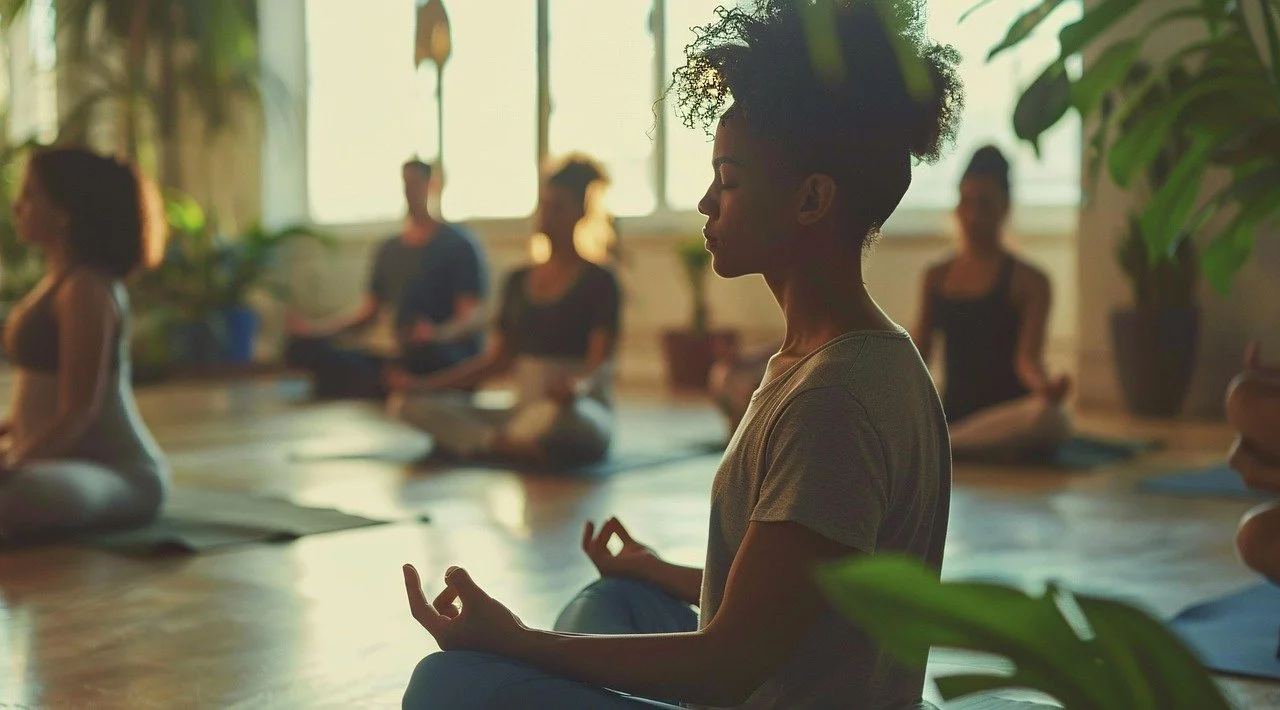
No matter what your circumstances are, you can do it. Some practices can be done in just a few minutes, making them accessible even for those with busy schedules. Some practices can be done while you're doing the washing up or sweeping the floor. Spiritual multi-tasking is where it's at. Don't waste a second, use every opportunity to check in with your spiritual dimension. That way, even if you never make it to a yoga mat or meditation cushion, you're still making progress on your journey.
Check out my favourite micro-practice here and see how powerful it is. It will not only support your spiritual growth, but it will also have a positive impact on every area of your life.
OVERCOMING CHALLENGES AND OBSTACLES
Challenges on the spiritual path are inevitable. These practices shift our consciousness, rewire our brains, and often break apart old assumptions. My own journey has included extraordinary non-dual states as well as painful, disorienting lows—and each phase has shaped me for the better.
We all love the mystical highs, but experiences like Kundalini awakening, spiritual crisis, or the Dark Night of the Soul can feel overwhelming and deeply unwanted. Yet these difficult chapters are part of the path. Whether you’re navigating a small struggle in meditation or a full spiritual death, remembering that everything is transient—and returning to the present moment—can steady you.
Your practices are your anchors: meditation, yoga, journaling, and mindfulness all support emotional regulation, resilience, and clarity. Developing present-moment self-awareness is one of the most powerful tools you have for meeting challenges with groundedness and compassion.
Related reading: What Is a Mystical Experience? 7 Science-Backed Signs You’ve Had One
Related reading: Symptoms of Kundalini Awakening: What to Expect on Your Journey
Related reading: Navigating the Dark Night of Soul: Finding Light in Difficult Times
THE DISCIPLINE OF SPIRITUAL DISCIPLINES
It’s easy to talk about discipline, but developing a regular spiritual practice is genuinely hard—especially if, like me, you’re not naturally routine-driven. I’ve dipped in and out of countless practices, fallen off the wagon, and climbed back on more times than I can count. And even without perfect consistency, I still had a mystical experience that lasted over a year. If I can do that, you absolutely can too.
The key is simple: pick up where you left off. It doesn’t matter that you stopped. What matters is that you start again—without shaming yourself in the process.
Be gentle with yourself. You’re up against the egoic program, and its entire job is to keep you trapped in the world of Maya. A spiritual life is what pulls you out of that noise and back into truth.
SPIRITUAL PRACTICES CHANGE LIVES
And truth is what you will find. As long as you don't give up, you are destined to find what you are searching for. Have faith. Trust. And believe. While it might feel like you're going nowhere fast, don't believe those thoughts. They're not true. I already told you, even if you don't notice, your practice is changing your brain and changing your life. And one day you'll look back in amazement at the person you've become, at how much you've awakened, and how full your heart is with love.


Related Articles to Expand Your Wisdom
Continue your journey with grounded spiritual knowledge and insights from a transpersonal psychologist who has been walking the path for over 30 years. What questions are arising for you now?
The Power of Gratitude as a Daily Spiritual Practice

The Most Surprising Spiritual Hobbies for Spiritual Growth and Non-dual Experiences

Get Out of Your Head: Guide to Practising Embodiment

Share this wisdom: